When temperatures drop across Alexandria, Arlington, Falls Church, and Richmond, cozy fires become part of the winter routine. But behind those warm flames, there’s a silent threat that every homeowner should take seriously: creosote buildup.
Creosote is one of the leading causes of residential chimney fires, yet many homeowners don’t realize how quickly it can form or how dangerous it can be. At Rooftop Chimney Sweeps, we help Virginia homeowners stay safe with professional chimney cleaning, inspection, and repair services designed to prevent fires before they start.
What Is Creosote and How Does It Form?
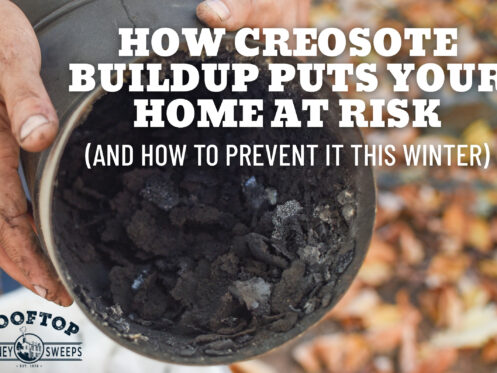
Creosote is a black, tar-like substance that develops when wood doesn’t burn completely. As smoke rises through your chimney, it cools and condenses, leaving behind layers of sticky residue along the flue walls.
There are three stages of creosote:
- Stage 1: A light, sooty dust that can be easily brushed away during a chimney cleaning service.
- Stage 2: Hardened flakes or tar deposits that cling more firmly to the chimney walls.
- Stage 3: A thick, hardened glaze that’s extremely difficult to remove and poses the highest fire risk.
Virginia’s cold, damp winters, especially in Arlington and Richmond, can accelerate this buildup since fireplaces often burn slower and produce more smoke.
The Dangers of Creosote Buildup
The dangers of creosote buildup go beyond simple maintenance concerns. When creosote ignites, it burns at temperatures over 2,000°F, hot enough to crack masonry, damage metal liners, and start a full-scale house fire.
Other potential risks include:
- Toxic smoke exposure: Creosote contains harmful chemicals that can enter your living space.
- Restricted airflow: Heavy buildup reduces draft efficiency, causing smoke to back up into your home.
- Costly repairs: Chimney fires and structural damage can lead to expensive chimney repairs or complete rebuilds.
Even a small amount of creosote can be hazardous, which is why annual chimney inspections are so important for safety and performance.
How To Remove Creosote Safely
If you suspect buildup, don’t try to scrape or burn it out yourself—creosote removal requires professional tools and expertise. Certified chimney technicians use specialized brushes, vacuums, and chemical treatments to remove creosote safely without damaging your chimney liner.
Homeowners in Alexandria and Falls Church should schedule chimney cleaning in Virginia at least once a year, or more frequently if they use their fireplace often during winter. Regular maintenance ensures that creosote stays under control and your chimney continues venting smoke safely.
Chimney Fire Prevention and Winter Maintenance Tips
Simple habits can go a long way toward chimney fire prevention:
- Burn only seasoned hardwoods: Wet or softwood produces more smoke and creosote.
- Keep your chimney cap clear: This prevents debris, animals, and moisture from creating blockages.
- Check your damper: A fully open damper allows better airflow, helping wood burn cleaner.
- Schedule annual cleaning: Professional sweepings reduce buildup before winter fires become a hazard.
- Pair cleaning with inspection: During your chimney inspection, a technician can spot early signs of deterioration or liner damage.
By combining preventive care with regular professional maintenance, you can keep your fireplace efficient and your home safe.
Chimney Safety Tips for Virginia Homeowners
Winter in Northern Virginia often means longer fireplace use, so take extra precautions:
- Install smoke and carbon monoxide detectors near your fireplace and bedrooms.
- Keep flammable materials, like curtains and furniture, at least 3 ft away from the hearth.
- Don’t leave fires unattended or let them smolder overnight.
- Have your chimney inspected after severe storms, earthquakes, or visible cracks in masonry.
These chimney safety tips protect your family while preserving the value and function of your fireplace.
Protect Your Home With Professional Chimney Maintenance From Rooftop Chimney Sweeps
Creosote buildup doesn’t just happen in neglected chimneys; it can occur even with regular use and clean-burning wood. That’s why homeowners across Richmond, Alexandria, and Arlington trust Rooftop Chimney Sweeps for reliable winter chimney maintenance and expert fire prevention.
Whether you need a chimney cleaning, chimney repair, or a detailed inspection, our certified technicians will make sure your chimney is clean, safe, and ready for winter.
Schedule your annual service today and enjoy peace of mind knowing your home is protected from the hidden dangers of creosote buildup.
Frequently Asked Questions About Creosote Buildup
What causes creosote buildup in a chimney?
Creosote forms when wood burns incompletely and smoke cools inside the flue. The residue sticks to chimney walls and hardens over time, especially when airflow is restricted or damp wood is used.
How often should I schedule chimney cleaning in Virginia?
Homeowners in Virginia should schedule chimney cleaning at least once a year. If you use your fireplace frequently or notice excessive smoke, more frequent cleanings may be necessary to prevent buildup.
Can I remove creosote buildup myself?
No. Removing creosote requires specialized tools and experience. DIY methods can spread soot, damage the liner, or even spark a fire. It’s always safer to hire a professional for chimney cleaning services.
What are the best ways to prevent chimney fires in winter?
The best ways to prevent chimney fires include burning dry hardwood, maintaining proper airflow, and scheduling annual chimney inspections and cleanings. These steps ensure creosote never reaches dangerous levels.